
A first trek in the Everest region can feel exciting from the moment you begin planning. There are mountains to see, villages to discover, and a famous destination waiting at the end of the trail.
But first-time trekkers can also make small mistakes that make the journey harder than necessary. Most of these mistakes are not serious. They usually happen because travelers do not know what to expect from mountain travel.
The Everest Base Camp Trek with helicopter return becomes much easier when you understand these common problems before stepping onto the trail.
Packing Too Much for the Trail
One of the easiest mistakes is bringing more things than you actually need.
A large bag may look useful before the trek begins, but carrying unnecessary items every day can make walking less comfortable.
Pack for Use, Not for Every Possibility
Before putting something into your luggage, ask whether you will actually use it during the trek.
Choose clothing that can be layered and items that serve more than one purpose. Keep personal essentials easy to reach instead of filling your bag with things you may never touch.
A lighter, better-organized load can make daily movement simpler.
Buying New Shoes Just Before Departure
New trekking shoes may look perfect in a shop, but a mountain trail is not the place to discover that they hurt your feet.
Give Your Footwear Time
Wear your trekking shoes before the trip. Walk on different surfaces and make sure they feel comfortable.
Pay attention to your toes, heels, and the sides of your feet. Even a small rubbing problem can become annoying after several days.
Comfort matters much more than having the newest-looking pair.
Starting Every Morning Too Quickly
Excitement can make people rush out of the lodge in the morning.
That may work for a short walk, but a multi-day mountain trek requires a different approach.
Give Yourself Time to Settle Into the Day
Eat breakfast, check your water, adjust your layers, and make sure important items are packed before leaving.
There is no advantage in creating stress during the first part of the morning. A calm start can make the rest of the day feel more manageable.
Treating the Trail Like a Race
Some trekkers become focused on reaching the next village as quickly as possible.
This can cause unnecessary tiredness.
Follow a Sustainable Walking Rhythm
Instead of trying to match another person’s speed, find a pace that you can maintain for several hours.
Take short breaks when needed. If the trail becomes steeper, accept that your pace may naturally become slower.
The goal is to keep enough energy for the entire day rather than using it all during the first few hours.
Ignoring Small Signs of Discomfort
A little tiredness is normal during a trek. However, constantly ignoring discomfort is not a good habit.
Foot pain, unusual weakness, dehydration, or feeling unwell should not simply be pushed aside.
Speak Up Early
Tell your guide or trekking companions when something does not feel right.
Early communication gives the group more options. Waiting until a problem becomes severe can make the situation much harder to manage.
The mountains reward patience more than stubbornness.
Forgetting How Strong the Sun Can Feel
Cold air can make sunlight seem harmless.
At higher elevations, however, exposed areas can feel much stronger, especially during clear weather.
Protect Your Face and Eyes
Sunglasses, sunscreen, and suitable head protection can be useful parts of your daily kit.
Do not judge the strength of the sun only by temperature. A cold day can still be a bright day.
Expecting Internet Access Everywhere
Many travelers are used to having a strong mobile connection throughout their normal routine.
The Everest region can be different.
Prepare for Periods of Limited Connectivity
You may experience weaker signals or slower connections in some areas.
Download anything important before leaving connected areas. Keep essential information available offline instead of depending completely on the internet.
This also gives you a chance to spend more time enjoying the surroundings without constantly checking your phone.
Assuming Every Tea House Will Feel the Same
Tea houses provide an important part of the trekking experience, but facilities can vary from place to place.
Some may feel more comfortable than others, and services can become simpler as you travel higher.
Adjust Your Expectations
Do not compare mountain accommodation with a city hotel.
Focus on having a clean place to sleep, a warm meal, and a chance to recover for the next day. A simple room can feel perfectly comfortable after several hours on the trail.
Forgetting to Keep Your Important Items Together
Small items can become difficult to find when they are scattered throughout different bags.
Passport, cash, documents, medication, electronics, and other essentials should have a consistent place.
Create One Easy-to-Reach Section
Use a small pouch or dedicated pocket for important items.
When something has a fixed location, you spend less time searching for it. This becomes especially useful when moving between different accommodations.
Taking Too Many Photos and Missing the Moment
The Everest region naturally makes people want to take hundreds of photographs.
There is nothing wrong with taking pictures, but stopping constantly can interrupt the experience.
Choose Your Photo Moments
Take time to capture special views, villages, prayer flags, bridges, and mountain landscapes.
Then put the camera away for a while.
Some moments are better experienced directly than through a screen.
Assuming the Helicopter Makes the Trek Effortless
The helicopter return changes the way you finish the journey, but it does not remove the walking involved before reaching the high-altitude section.
The trek still requires preparation, steady movement, and respect for the mountain environment.
Keep the Flight as the Ending, Not the Main Plan
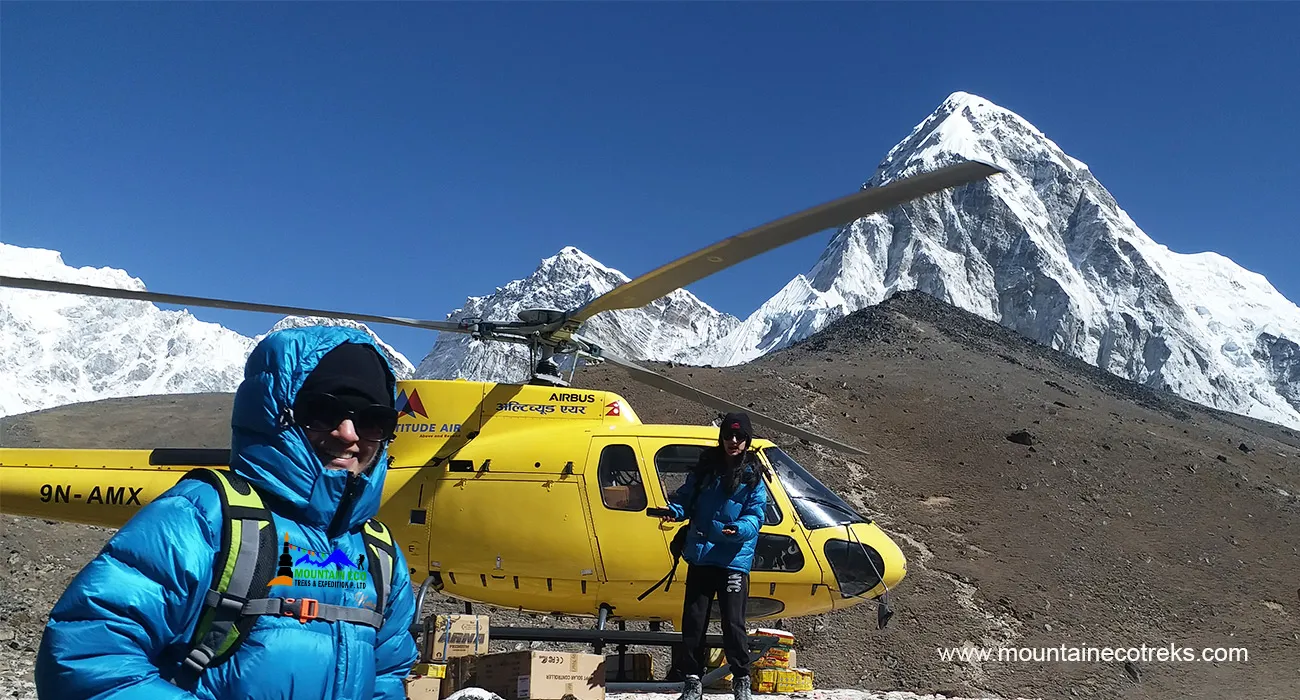
The Everest Base Camp Trek with helicopter return combines a demanding walking experience with an aerial return when conditions allow.
Helicopter operations depend on weather and flight conditions, so some flexibility may be necessary.
Your trekking team can help you understand the situation on the day of the flight.
Forgetting to Leave Room for Change
First-time trekkers sometimes create a very strict mental picture of how every day should happen.
Mountain travel does not always follow that kind of schedule.
Weather, trail conditions, flight operations, and personal energy can influence the plan.
A flexible attitude makes unexpected changes easier to handle.
Final Thoughts
Many first-time trekking mistakes are simple to avoid once you know where problems usually begin.
Do not overpack. Break in your shoes. Walk at a sustainable pace. Protect yourself from the sun. Keep important belongings organized, and speak up when something feels wrong.
The Everest Base Camp Trek with helicopter return is much more than reaching a destination and catching a flight home. It is a gradual mountain experience where preparation, patience, and flexibility can make each day more enjoyable.
A little planning before the trek can save a lot of unnecessary stress once you are on the trail.
FAQs
1. What is the most common mistake first-time trekkers make?
Overpacking and trying to walk too quickly are common problems. Both can make the trek more tiring than necessary.
2. Should I buy new trekking shoes before the trip?
You can buy new shoes, but it is important to wear and test them before the trek so you know they are comfortable.
3. Is internet access always available during the trek?
No. Connectivity can vary by location, so keeping important information available offline is useful.
4. Should I take lots of photographs during the trek?
Photography is part of the experience for many travelers, but taking occasional breaks from the camera can help you enjoy the surroundings directly.
5. Is the Everest Base Camp Trek with helicopter return easy because of the helicopter?
The helicopter changes the return portion, but the trek to the high-altitude areas still requires preparation, walking, and proper pacing.
