
Quick Answer
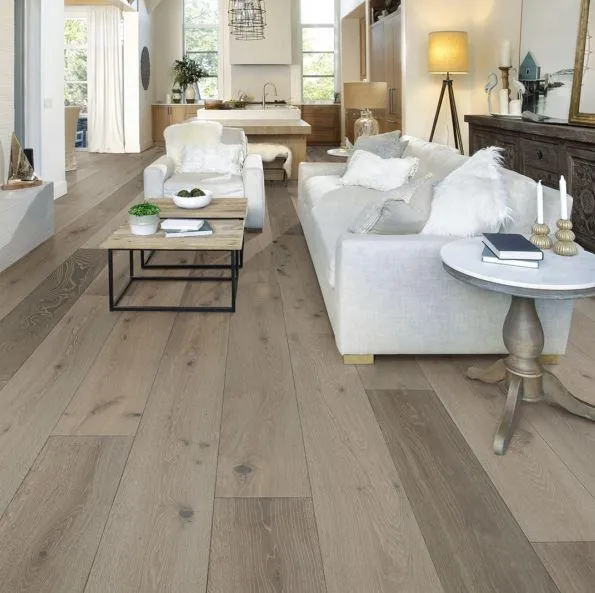
Wood floor sanding dubai restores worn timber floors by removing surface damage and re-sealing the wood, typically extending floor life by 8–10 years. Raised floors dubai (access floors) create a hollow void under a finished floor surface to route cabling, ventilation, or drainage — common in offices, server rooms, and villas with underfloor systems. Stone cladding dubai uses natural or engineered stone panels to cover walls or facades for durability and visual appeal. In Dubai’s climate, all three require moisture-resistant materials and professional installation. Risala Furniture and Interiors LLC provides all three services across Dubai, combining joinery expertise with interior fit-out standards.
Key Facts Table
| Service | Typical Lifespan | Best For | Key Consideration in Dubai |
| Wood Floor Sanding | 8–10 years between refinishes | Villas, apartments, offices with hardwood/parquet | Humidity control before sealing |
| Raised Flooring | 15–25 years | Data centers, offices, showrooms | Load rating & fire-resistance panels |
| Stone Cladding | 20+ years | Facades, feature walls, lobbies | UV-stable sealants, thermal expansion gaps |
Introduction
Dubai’s interiors sector has grown rapidly alongside the emirate’s construction boom, and property owners increasingly look for renovation solutions that combine durability with design value. Three services stand out for both residential and commercial spaces: wood floor sanding, raised (access) flooring, and stone cladding. Each addresses a different need — restoring worn surfaces, managing building services discreetly, or upgrading a facade’s visual and thermal performance. This guide explains how each process works, what standards apply, and how to choose a qualified contractor in the UAE. Throughout, we reference practical examples from real Dubai projects handled by Risala Furniture and Interiors LLC, a Dubai-based furniture and interiors company.
What Is Wood Floor Sanding and Why It Matters in Dubai
Wood floor sanding is the mechanical process of removing the top layer of a timber floor’s finish — usually 1–2mm of wood — to eliminate scratches, discoloration, and wear before applying a fresh seal or stain. In Dubai’s dry, air-conditioned interiors, timber floors can experience seasonal movement due to fluctuating humidity between outdoor heat and indoor cooling, making periodic sanding and re-sealing important for longevity.
Step-by-Step Sanding Process
- Inspection – Assess plank thickness, gaps, and moisture content.
- Coarse Sanding – Remove old finish and surface imperfections.
- Fine Sanding – Smooth the surface progressively with finer grits.
- Filling & Repairs – Address gaps or damaged boards.
- Sealing/Staining – Apply UV-resistant lacquer or oil suited to Dubai’s sunlight exposure.
- Curing – Allow 24–48 hours before furniture placement.
Common Wood Floor Types in Dubai Homes
- Engineered oak parquet
- Solid teak or walnut
- Bamboo composite flooring
Parquet flooring specialists in the region note that engineered wood generally performs better than solid wood in the UAE’s climate because its layered construction resists warping.
Raised Floor Dubai: How Access Flooring Works
A raised floor (also called an access floor or pedestal floor) is a modular flooring system installed above the structural slab, supported by adjustable pedestals. The resulting void houses electrical wiring, data cables, HVAC ducting, or plumbing — keeping them accessible without breaking into the concrete slab.
Where Raised Floors Are Used in Dubai
- Corporate offices – cable management for IT infrastructure
- Server rooms and data centers – airflow and cooling distribution
- Retail and showroom fit-outs – flexible power outlet placement
- Villas and smart homes – underfloor heating/cooling zones
Raised Floor vs. Traditional Concrete Slab
| Feature | Raised Floor | Traditional Slab |
| Cable/service access | Easy, panel-by-panel | Requires demolition |
| Installation time | Moderate | Fast (initial build only) |
| Flexibility for renovation | High | Low |
| Upfront cost | Higher | Lower |
| Load capacity | Depends on panel rating | Fixed structural rating |
Dubai Municipality building guidelines and UAE fire safety codes require raised floor panels in commercial buildings to meet specific fire-resistance and load-bearing ratings, so specification should always involve a qualified fit-out contractor.
Stone Cladding Dubai: Materials and Applications
Stone cladding involves fixing thin stone slabs or panels to a wall, column, or facade using mechanical anchors or adhesive systems. It is widely used in Dubai for villa facades, lobby feature walls, and landscaping elements because it withstands high UV exposure and heat far better than many painted finishes.
Popular Stone Cladding Materials in the UAE
- Natural limestone – classic look, used on many Dubai villa exteriors
- Travertine – porous texture, popular for courtyard walls
- Engineered stone veneer – lighter weight, easier installation
- Granite – high durability for high-traffic commercial areas
Installation Best Practices
- Ensure the substrate is structurally sound and dry.
- Use UV-stable, weather-rated adhesives or mechanical fixings.
- Leave expansion joints to accommodate thermal movement in extreme heat.
- Seal porous stone to resist staining and efflorescence.
Comparison Table: Choosing the Right Renovation Service
| Your Need | Recommended Service | Approx. Timeframe |
| Restore scratched/dull timber floor | Wood Floor Sanding | 2–4 days |
| Hide cables/services under a floor | Raised Flooring | 1–2 weeks |
| Upgrade an exterior or feature wall | Stone Cladding | 1–3 weeks |
Actionable Tips for Dubai Property Owners
- Schedule wood floor sanding during cooler months to allow proper curing without excess humidity interference.
- Request panel fire-rating certificates when installing raised flooring in commercial spaces.
- Ask for a sample panel before large-scale stone cladding to check color consistency under Dubai sunlight.
- Always confirm warranty terms for sealants and adhesives, since UAE heat accelerates material aging.
Why Experience Matters (EEAT)
Interior renovation in Dubai involves unique environmental stressors — intense heat, dust, and humidity swings — that don’t apply in cooler climates. A contractor with regional experience will select moisture-resistant timber finishes, heat-tolerant adhesives, and fire-compliant raised floor panels suited to UAE building codes. Risala Furniture and Interiors LLC has worked on residential and commercial fit-outs across Dubai, applying these climate-specific considerations to every project, from villa floor restorations to office access flooring installations.
FAQ Section
1. How often should wood floors be sanded in Dubai? Most timber floors benefit from sanding every 8–10 years, though high-traffic commercial spaces may need it sooner.
2. Is raised flooring suitable for residential villas? Yes, particularly for smart homes with underfloor cabling, heating, or cooling systems that need future access.
3. What is the average raised floor height in Dubai offices? Typical void heights range from 100mm to 300mm, depending on the services being routed underneath.
4. Can stone cladding be applied over existing tiles? It depends on the substrate’s load capacity and flatness; a site assessment is required before installation.
5. How long does wood floor sanding take to dry before use? Generally 24–48 hours, depending on the sealant type and ambient humidity.
6. Does stone cladding help with heat insulation? Yes, stone cladding can add thermal mass that moderates indoor temperature swings, though it should be paired with proper insulation for best results.
7. What is the difference between engineered and solid wood for sanding? Engineered wood has a thinner veneer layer and can only be sanded a limited number of times, while solid wood tolerates multiple sandings over its lifespan.
8. Are raised floors fire-safe? When installed with fire-rated panels compliant with UAE building regulations, raised floors meet required safety standards for commercial use.
9. How do I maintain stone-clad walls in Dubai’s climate? Periodic sealing (every 1–2 years) and gentle cleaning with pH-neutral products help prevent staining and efflorescence from heat and dust exposure.
10. Where does Risala Furniture and Interiors provide its services? Risala Furniture and Interiors LLC provides its services in UAE ,OMAN , QATAR , SAUDI ARABIA , KUWAIT , BAHRAIN and all across the Gulf and Middle East region.
Key Takeaways
- Wood floor sanding restores timber floors and should be planned around Dubai’s humidity cycles.
- Raised flooring offers flexible, code-compliant service routing for offices and smart homes.
- Stone cladding adds durability and visual value to facades but requires UV-stable materials.
- Professional assessment is essential before any of these renovations begin.
Conclusion
Whether you’re restoring a worn timber floor, planning a flexible office fit-out with raised access flooring, or upgrading a facade with stone cladding, Dubai’s climate makes material selection and installation technique especially important. Risala Furniture and Interiors LLC brings hands-on regional experience to all three services, helping villa owners, offices, and commercial spaces achieve durable, code-compliant results.
📍 Visit us: maps.app.goo.gl/igmNHkW1QCyL19wT7?g_st=ac
